The Big News
Brisbane City Council just announced some major changes to how homes can be built in the middle-ring suburbs. If you’re thinking about buying property, investing, or building in Greater Brisbane, this is important information to understand. These changes are happening soon and could affect property values, housing options, and your future opportunities.
Let’s break down what’s happening and why it matters.
What’s Being Proposed for LMR Zones?
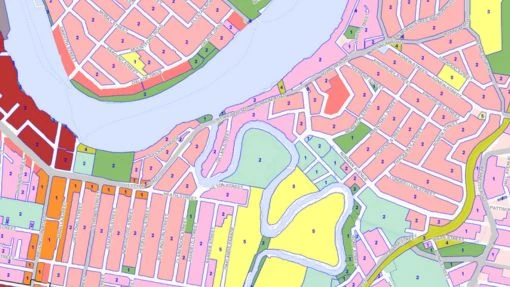
Low-Medium Density Residential (LMR) zones are mostly in the middle-ring suburbs. They already allow a bit more density than standard house blocks, but council is proposing changes to unlock more housing.
Smaller Blocks Could Be Developed
Today, many LMR sites need a minimum lot size of around 260m². The proposal suggests reducing this to 120m², including some rear lots.
What this could mean for you:
Property Developers could fit more homes on the same land. This may create more housing choices and potentially more affordable options in some areas.
Taller Buildings Could Be Allowed
Right now, most LMR areas allow 2–3 storeys. The proposal would:
- Allow 3 storeys as the standard, and
- Allow 4–5 storeys in some locations close to good public transport and major shopping centres.
What this could mean for you:
More townhouses and units may be built near train stations and shops if the proposal is approved.
Fewer Parking Spaces Near Transport
In some LMR areas close to high-frequency public transport, new developments may be allowed to provide fewer car parks per dwelling (up to 0.5 fewer spaces).
What this could mean for you:
This could lower building costs and support people who rely more on public transport than on cars.
What’s Being Proposed for LDR Zones?
Low-Density Residential (LDR) zones are where most detached homes are located. These zones cover about 80% of Brisbane’s residential land, so any changes here are a big deal.
At the moment, LDR areas are mostly for stand‑alone houses with very limited variety.
More Homes Near Shopping Centres
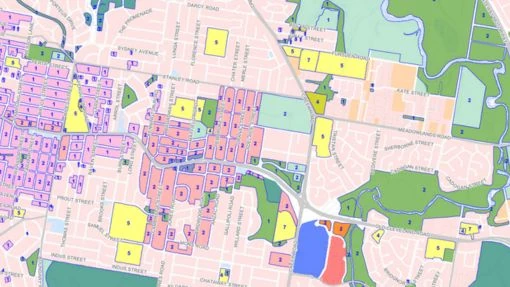
Right now, smaller 300m² lots are generally allowed within 200 metres walking distance of a shopping centre in some LDR areas. The proposal is to expand this to 300 metres walking distance.
What this could mean for you:
More blocks near local centres could be subdivided, creating extra homes close to shops and services.
More Housing Types, Not Just Houses
In many LDR suburbs today, you mainly see single detached homes. The proposal talks about allowing more “gentle density” options, such as:
- Duplexes
- Triplexes
- Terrace-style or row housing in suitable locations
What this could mean for you:
Over time, you might see a mix of smaller, more affordable homes in some LDR streets—especially near key amenities.
LMR vs LDR – Key Proposed Changes
Here is a simple table showing the most important proposed changes for both zones:
| Change Category | LMR Zone Current | LMR Proposed | LDR Zone Current | LDR Proposed | Impact |
| Building Height | 2–3 storeys | 3 storeys general / 4–5 storeys near transport | Mostly 1–2 storeys houses | Under review – gentle density in select areas | More housing near transport and amenities |
| Minimum Lot Size | Around 260m² | Around 120m² in many cases | Larger lots (often 400m²+) | 300m² near shopping centres within 300m walking distance | More subdivision opportunities |
| Parking Requirements | Higher parking rates | Reduced (up to 0.5 fewer spaces per dwelling) near good public transport | Standard off‑street parking | Under review | Lower development costs and more focus on public transport |
| Housing Diversity | Limited townhouses/units | Townhouses, units, row houses, small apartments | Mostly detached houses only | Duplexes, triplexes, terraces in suitable areas | More affordable and flexible housing options |
| Shopping Centre Proximity | Some targeted areas only | Expanded higher-density pockets near centres and transport | 300m² lots allowed within 200m of centres | 300m² lots allowed within 300m of centres | More locations where smaller blocks are possible |
| Zone Coverage | About 14% of residential land | Same, with some targeted expansions | About 80% of residential land | Same, with more flexibility in select areas | LDR changes affect most suburbs over time |
Why Is Council Proposing These Changes?
Brisbane is growing quickly. Thousands of new residents are arriving each year, and the city needs more homes in good locations. The proposals aim to:
- Add more homes in existing suburbs
- Use land near shops and transport better
- Provide a wider mix of housing, not just big detached houses
- Reduce pressure to keep building further out at the city fringe
What This Could Mean for You
If You’re a First-Home Buyer
If some or all of these proposals are approved, there may be:
- More townhouses and units in middle‑ring suburbs
- More smaller lots near shopping centres
- A wider range of prices and housing types to choose from
If You’re an Investor
These proposals could unlock:
- Extra development potential in some LMR areas
- New opportunities in LDR areas close to centres and good transport
- A chance to reposition your strategy around “future‑ready” locations
If You Already Own a Property
Your property might become more attractive if it sits:
- Near a shopping centre
- Close to a train station or frequent bus route
- In an area that could support gentle density in the future
Remember: These Are Proposals, Not Final Rules
As of now, in early 2026:
- These changes are not yet approved
- Community consultation is underway
- Final decisions are expected later in 2026
That means there is still uncertainty—but also time to prepare and plan.
How Buyers Scout Can Help You
Understanding these proposals is one thing. Turning them into a smart property decision is another.
At Buyers Scout, the focus is on helping IT professionals, families, migrants, and investors make safe and smart choices in Greater Brisbane. With a background in both IT and property development, the approach is analytical, detail‑oriented, and practical—ideal for navigating zoning changes and future development potential.
Want to Get a Head Start on 2026 Opportunities?
If you want to:
- Understand how these LMR and LDR proposals might affect your target suburbs
- Identify properties with future upside near centres and transport
- Build a buying strategy that looks ahead, not just at today
then now is the right time to talk.
Get in touch with Buyers Scout to book a free, no‑obligation chat. Together, the options can be mapped out so you are ready for the opportunities that may open up as Brisbane’s planning rules evolve.
The rules may be changing. With the right help, you can be ready before everyone else.

Joerg is Founder of Buyers Scout and a Brisbane-based buyers agent with over 5 years of professional experience helping owner-occupiers, investors, and developers acquire property. His background in property development and 30 years of analytical experience in IT and cyber security provide a unique foundation for rigorous property analysis and due diligence. Based in Brisbane for over 10 years, he specialises in helping local, interstate, and migrant buyers navigate Brisbane’s property market.
FAQs: Headline
Which suburbs will be affected by these changes?
The proposed changes affect suburbs that are currently zoned as LMR (Low-Medium Density Residential) or LDR (Low-Density Residential).
LMR zones (14% of residential land) that will be affected include parts of:
- Morningside
- Carina
- Moorooka
- Camp Hill
- Wooloowin
- Coorparoo
- Tarragindi
- Annerley
- Many other middle-ring suburbs
LDR zones (80% of residential land) cover most established suburbs across Brisbane. The most immediate changes would apply to areas within 300 metres walking distance of shopping centres (expanded from the current 200 metres).
When will these changes come into effect?
Timeline:
- Now (January 2026): Initial community feedback period
- Early 2026: Formal public consultation begins
- Mid 2026: Council reviews feedback and finalizes changes
- Late 2026: Expected adoption into Brisbane City Plan 2014 (if approved)
Important: These are proposals only. The final rules depend on:
- Community feedback
- Council review and refinement
- Final council approval
Nothing is guaranteed until the formal adoption occurs, likely in late 2026.
How will these changes affect my property value
The impact depends on several factors:
Potentially positive impacts:
- Properties in LMR zones near public transport or shopping centres may increase in value due to development potential
- Properties within 300m of shopping centres in LDR zones could become more valuable for subdivision opportunities
- Increased housing supply in your area may attract more buyers and renters
Considerations:
- Your neighbourhood character may change with more townhouses, units, or multi-dwelling developments
- More housing supply could stabilize or moderate price growth in some areas
- Properties with larger blocks in strategic locations may attract developer interest
Expert tip: Properties near high-frequency public transport, major shopping centres, and good schools are most likely to benefit from these changes.
Will I be able to subdivide my block or build a duplex/townhouse
It depends on your current zoning and property characteristics:
In LMR zones (if proposals are approved):
- Minimum lot size could drop from 260m² to 120m²
- Easier to build townhouses, units, row houses
- Building heights up to 3 storeys (or 4-5 storeys near transport/shops)
- Simplified development assessment process
In LDR zones (if proposals are approved):
- Blocks within 300m of shopping centres could be subdivided into 300m² lots (expanded from 200m)
- Duplexes, triplexes, and terraces may be allowed in suitable locations
- “Gentle density” approach maintains suburban character
How many new homes will these changes create?
Target: Up to 6,000 new homes by 2032 if the LMR and LDR proposals are approved.
Longer-term goal: Brisbane needs to deliver 210,800 dwellings by 2046 to meet regional benchmarks set by ShapingSEQ.
Summary:
Brisbane City Council has proposed significant changes to residential zoning that could unlock up to 6,000 new homes by 2032. The proposals target LMR zones with smaller lot sizes and taller buildings near transport, and LDR zones with duplexes and terraces allowed near shopping centres. These are proposals only, requiring community feedback and council approval before taking effect in late 2026.
Buyers Scout can help you understand how these changes might affect your property goals and identify strategic opportunities before the market shifts. Contact us today for expert guidance tailored to your situation.
Share This Blog On: