

Thinking of buying your first investment property in Australia? This comprehensive guide will walk you through the entire journey – from saving your deposit to collecting rent. Whether you’re an aspiring property investor, a first-time buyer, or someone simply curious about how investing in real estate works, this article offers you proven strategies, practical advice, and industry insights to help you buy an investment property with confidence.
Why read this guide?
Buying a house in Australia can be both exciting and overwhelming. This guide demystifies the process, explains the pros and cons of different property types, breaks down the financing process, and highlights how to avoid common traps. We also explore why choosing the right property and the right strategy can set you up for long-term capital growth, cash flow, and wealth creation. Let’s dive into your step-by-step road-map to invest in property successfully.
1. How Much Deposit Do You Need To Invest In Property in Australia?
Before you can buy a property, you’ll need to prepare your funds. The standard deposit is usually 20% of the property price. For a $600,000 property, that means a $120,000 deposit. However, there are investment loans that allow you to purchase with as little as 10%, provided you pay Lenders Mortgage Insurance (LMI).
Building your savings takes discipline and planning. Many investors start by cutting unnecessary expenses, setting automatic savings goals, or selling assets to generate funds. You might also consider leveraging equity in your existing home to fund your deposit – a common strategy for those already in the property market.
Saving your deposit is the first part of your investment journey, and it demonstrates to lenders that you’re financially responsible – which improves your chances of loan approval.
3. Why Your Credit Score Matters in Property Investing
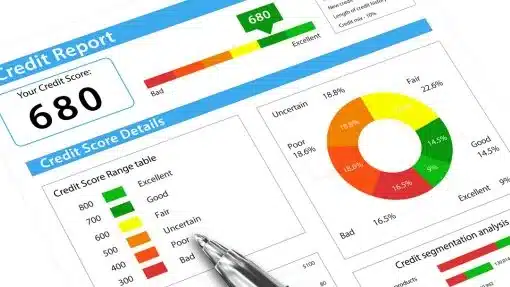
Your credit score plays a significant role when applying for a home loan. A higher score gives you access to more lenders, better interest rates, and lower LVR (loan-to-value ratio) requirements. That means smaller monthly repayments – which increases your cash flow and lets you manage your investment more effectively.
Before applying for finance, check your credit report and address any red flags. Pay off high-interest debt, avoid taking on new loans, and ensure all your bills are paid on time. The better your financial position, the easier it will be to invest in property with confidence.
A strong credit profile doesn’t just help you get a loan – it gives you negotiating power and helps you build wealth over time.
4. Why Talking to a Mortgage Broker Early Is Crucial
Too many new real estate investors start browsing listings before knowing what they can afford. That’s a mistake.
Speak with a mortgage broker early in your property journey to explore different types of investment loans. A broker helps you understand how much you can borrow based on your income, credit score, and liabilities. They also explain your investment loans options, compare lenders, and may even help secure pre-approval.
By knowing your borrowing power, you can refine your search and avoid disappointment. A good investment strategy should always align with your financial capabilities.
A trusted broker is a key member of your professional property team – one who makes sure your numbers stack up
5. What Type of Property Is Best for Property Investment?
Not all properties provide equal investment value. Understanding the type of property that suits your goals is vital.
Detached houses tend to offer better long-term capital growth, more flexibility for renovations, and full ownership of the land. However, they usually come at a higher property price. Apartments and townhouses are more affordable and easier to rent, but they often involve property management fees, body corporate restrictions, and limited ways to add value.
You also need to think about your ideal tenant. Will your property investment attract young professionals, families, or students? Each market has its own risks and rental income potential.
There are pros and cons to every type of property, so align your purchase with your investment goals.
6. What Investment Strategy Should You Use to Research Before Buying Property?
This is where smart property investing begins.
Do your homework. Research suburb demographics, crime rates, school zones, transport links, and future development. Look for properties in high-demand areas with strong potential to increase in value and deliver solid capital gain.
Also, compare similar properties in the area to understand the local real estate value. Check historical growth rates and rental income to assess if the property increases in value and is worth the investment. Don’t buy in areas saturated with public housing or showing signs of urban decline.
If you’re unsure how to analyse all of this, professional property advice – such as from a Buyer’s Agent – is worth its weight in gold.

7. How to Get Pre-Approved for an Investment Loan
Getting pre-approved is not the same as being fully approved – but it’s a crucial step.
Your mortgage broker will help you gather the necessary paperwork: proof of income, savings history, assets, debt obligations, and identification. Lenders will assess your repayment capacity, rental income potential, and overall risk profile.
Pre-approval strengthens your position when you’re ready for investing in property in Australia. Sellers and agents take you seriously, and you’ll avoid delays when it’s time to make an offer.
Remember: The Australian property market is competitive. Being prepared gives you the edge.
8. Why a Buyer’s Agent Can Help You Find the Right Property
Working with a Buyer’s Agent like Buyers Scout is one of the best decisions a new property investor can make.
A Buyers Agent helps you define your brief, finds the right property in the right suburb, and evaluates the value of the property you are interested in – compared to the asking price. They also give you access to off-market opportunities not listed online – a major advantage in today’s residential property market.
They coordinate with your conveyancer, organise building and pest inspections, liaise with property managers, and negotiate on your behalf. They help you manage every step of the process, saving you time, stress, and potentially tens of thousands of dollars.
The advantages of property investment increase when you build the right team.
9. How Do You Negotiate and Make an Offer on a Property?
Negotiation is where many new property investors struggle.
Whether you’re bidding at auction or making a private offer, you must know the property is worth. Your Buyer’s Agent can prepare a comparative market analysis, review the property value, and help you submit a competitive yet sensible offer.
Don’t let emotions drive your decision to buy a property. Stick to your numbers, understand your limits, and stay calm during negotiation.
Also, consider any conditions you might want in your contract – like finance approval, pest and building inspections, or flexible settlement dates. These conditions can protect you if things go wrong.
10. What Happens at Pre-Settlement and Final Settlement?
The pre-settlement inspection is your last chance to inspect the property before you take possession. Use this time to check for any damage, ensure all inclusions are present, and confirm any agreed-upon repairs are completed.
Settlement is when legal ownership of the property transfers from seller to buyer. Your lender transfers funds to the seller, and the title is updated to reflect you as the new owner. Your conveyancer will manage most of this, but it’s important to understand your responsibilities too.
After settlement, you’ll typically hand over to a property manager who will help you manage your investment property, collect rent, and handle tenant relationships.
Key Takeaways for Navigating the Property Market
💰 You typically need a 20% deposit to buy an investment property in Australia, though you can buy with less under some conditions.
🏠 Use the First Home Owner Grant (FHOG) only if you plan to live in the property first — it’s not designed for immediate rentals.
📈 A good credit score gets you better loan terms and improves your investment cash flow.
🧠 Speak to a mortgage broker early to understand your borrowing power and loan options.
🏘️ Choose the right type of property based on your budget, investment strategy, and ideal tenant.
🔍 Do your research — on suburbs, rental demand, growth prospects, and property value.
✅ Get pre-approved before making offers. It speeds up your property journey and strengthens your negotiation position.
🤝 Work with a Buyer’s Agent like Buyers Scout will help you choosing a property that is right for your strategy, access better deals, and navigate the process with confidence.
💬 Negotiate carefully and always stick to your budget.
🧾 Complete a pre-settlement inspection and let your conveyancer guide you through settlement.
Thinking of buying your first property as a new investor in Australia?
Now you know exactly how to start. Buying real estate is one of the most powerful ways to build long-term wealth, and property is a proven asset class that delivers both capital growth and rental income. With the right plan, the right people, and professional property investment advice, owning an investment property in Australia can give you both financial security and flexibility for the future.
Your decision to buy the right investment property isn’t just a transaction – it’s the beginning of a journey that can lead to lasting financial freedom and lifestyle choices you truly value.
FAQs
Your Title Goes Here
Your content goes here. Edit or remove this text inline or in the module Content settings. You can also style every aspect of this content in the module Design settings and even apply custom CSS to this text in the module Advanced settings.
Is it worth having an investment property in Australia?
Yes, the decision to buy an investment property in Australia can be worth it if you do your research and plan carefully. Property investment is a popular way for Australians to build wealth, offering the chance for long-term growth and steady rental income. When making the decision to buy an investment, focus on finding a property in a good location with strong rental demand, and make sure you understand all the costs involved, such as loan repayments, maintenance, and taxes. There are also tax benefits available to property owners, which can help improve your returns. With the right strategy and advice, the decision to buy an investment property can help you reach your financial goals.
What is the 6 year rule for investment properties in Australia?
The 6-year rule is a helpful tax benefit for first-time investors who are knowing how to invest wisely. If you move out of your main home and rent it out, you can treat it as your main residence for up to six years, which means you may not have to pay capital gains tax if you sell during that time. This allows you to earn rental income and still keep your CGT exemption. If you move back in, the six-year period can start again. Understanding this rule can help you make smarter decisions as you begin your property investment journey.
How much deposit do I need for an investment property in Australia?
For an investment property in Australia, you generally need to consider saving a deposit of at least 20% of the property’s value to avoid paying Lenders Mortgage Insurance (LMI). For example, if the property costs $600,000, a 20% deposit would be $120,000. Some lenders may accept a lower deposit, as little as 10%, but this will mean you have to pay LMI, which can add thousands to your costs. The more deposit you have, the less you need to borrow and repay over time. Make sure to also budget for extra expenses like stamp duty and legal fees when planning your investment.
Which state in Australia is best for property investment?
Queensland is considered one of the best states for property investment in Australia, especially for first-time investors looking for high-growth properties. Brisbane and many regional areas in Queensland have seen strong price growth, low vacancy rates, and solid rental yields, making it easier to grow the value of your property over time. The state’s ongoing population growth, major infrastructure projects, and the upcoming 2032 Olympics are adding to investor confidence and long-term demand. Compared to Sydney and Melbourne, Queensland offers more affordable entry points and less restrictive policies, which is attractive for new investors. If you need to consider where to start, Queensland’s mix of lifestyle appeal and investment potential makes it a standout choice in 2025 and beyond.